
Necrophonic
ChillSeekersLifestyle
3.81.40K Reviews
- Version
- 1.992
- Installs
- 100.00K
- Age Rating
- Teen
Screenshots
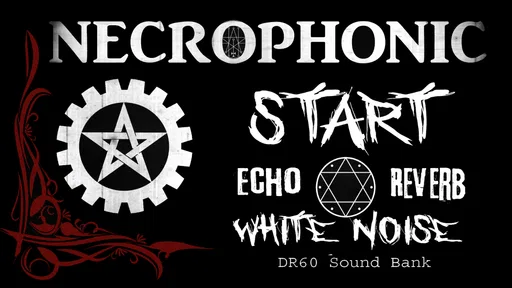
Our Review of Necrophonic
 Analysis by Appyee
My first impression of Necrophonic is that it is built for a very particular kind of evening: lights low, phone nearby, and a group ready to listen closely to sounds that might be meaningful—or might simply be noise. I approached it as a curious skeptic rather than treating it as proof of spirit communication. That distinction matters, because the app’s atmosphere can make ordinary audio feel charged with significance. As a paid lifestyle app from ChillSeekers, it asks you to bring your own questions and judgment instead of expecting a conventional utility with a clearly measurable result.
Using it in the moment
I find the setting matters as much as the sound: a quiet, agreed-upon space gives everyone room to listen without turning every interruption into part of the story. Before starting, I’d settle on one question and decide how the group will take turns describing what they hear. That simple plan keeps the session focused and makes it easier to move from atmosphere to a thoughtful debrief.
Sound, attention, and interpretation
So, how does this ghostly gadget work? Essentially, the app uses a blend of audio banks and white noise to facilitate communication with spirits. It claims to allow spirits to convey messages through these sounds, which you can interpret as you wish. You might hear words, phrases, or even the occasional chilling sound that makes you question everything. For those serious about ghost hunting, the app provides you with a unique toolkit right in your pocket. It’s like carrying a mini séance in your smartphone.
The app features several sound banks, which are audio recordings of different types of sounds. These are designed to be manipulated by spirits to form words and sentences. The theory is that spirits use the energy from these sounds to communicate. Whether you believe in it or not, it’s a fascinating concept that makes the app a thrilling experience.
That setup also explains why listening carefully is more useful than simply leaving the sound running while everyone talks. I’d treat a session as an experiment in attention: decide what you’re asking, keep the room quiet, and avoid announcing every possible word you think you hear. If one person suggests a name or phrase before the others listen, the group can quickly start hearing the same suggestion. That does not settle what caused a sound; it just makes it easier to separate an individual impression from a shared expectation.
For a more grounded session, I’d have one person operate the phone while another listens without being told what to expect. Make a brief note of the question and the moment a sound seems significant, rather than building a story around it immediately. Replaying the recording later can be useful, but it can also strengthen a guess once you already have a word in mind. I find it more honest to write down what I heard first, then compare interpretations afterward.
Network-dependent moments
Connectivity is worth thinking about before you settle in. The sound-based experience is not the same as opening a news feed or messaging app, where a connection is obviously central, but I would not assume that every part of the app behaves identically with or without internet access. If you plan to use it in a basement, an old building, or a quiet place with weak reception, open it beforehand and check that the controls you want are available. That small preparation is better than discovering a loading or access issue after everyone has gathered.
Network conditions can also affect the surrounding experience even when they do not change what you hear. A phone switching between Wi-Fi and mobile data, notifications arriving, or someone trying to look something up can break the concentration that makes this app compelling. I’d put the device in a stable spot, silence interruptions, and avoid treating a delayed response from the phone as a paranormal event. Keeping the session simple helps you pay attention to the audio rather than the handset.
Features to Explore
With Necrophonic, you get a few exciting features that enhance your ghostly escapades. First up is the reverb function. This adds an echo to the audio, which can make any message you think you're hearing sound even more dramatic. Then there's the white noise generator, a staple in many spirit communication devices, which is said to help spirits form words more easily.
Another interesting feature is the app’s ability to record sessions. This is a must-have if you want to go back and analyze any spooky interactions. It’s also great for skeptics who want to debunk or confirm any paranormal phenomena. Plus, sharing your findings with friends can add a fun social element to your ghost hunting adventures.
Recording works best for me as a way to revisit an impression, not as automatic evidence that the impression is correct. A practical approach is to keep one short session focused on one question, then listen back without adding effects or commentary from the group. If you plan to share a clip, ask the people present first; a private, unsettling moment can feel very different once it is posted or passed around. That little bit of care keeps the social side fun rather than turning someone’s reaction into the evening’s entertainment.
Taking it out of the living room
The phone format makes this an easy app to bring to a sleepover, a small paranormal-interest gathering, or a visit to a place where you are allowed to spend time quietly. Still, portability should not be confused with suitability everywhere. Public places, busy streets, and shared accommodation are poor settings: background sound competes with the audio, and using a spooky communication app around strangers can make them uncomfortable. I’d choose a private room where everyone present has agreed to take part.
A realistic use might be a rainy evening with two friends who enjoy ghost stories but do not agree about the paranormal. One person can ask a short question, another can listen without seeing the screen, and afterward each can describe what they thought they heard. That makes the app an activity and a conversation starter rather than a test that someone must “pass.” If the group starts feeling tense, stop, turn the sound off, and switch to something ordinary. There is no benefit in pushing a session after the fun has gone.
For people who want a structured investigation, I’d keep the phone’s role modest. It can provide audio to listen to and a recording to review, but it cannot replace careful notes about the environment or a clear distinction between observation and interpretation. I would not use an apparent message to make a serious decision, accuse someone, or treat a personal fear as confirmed. The most responsible use is curiosity with boundaries.
My Personal Experience
So, what was it like to use this spectral app? I had a mix of experiences ranging from "Whoa, did that just say my name?" to "Okay, that was probably just static." With the app running, I did indeed hear some coherent-sounding words amidst the noise. Whether it was a trick of the mind or something more, it was enough to give me a chill or two.
The app's simplicity makes it accessible to everyone, whether you're a seasoned paranormal investigator or just having a spooky sleepover. However, I’d recommend using it in a quiet environment to maximize its potential. Loud surroundings can drown out any potential spirit interactions.
That simplicity is a genuine strength when you want to start quickly, but it also puts much of the work on the listener. Someone expecting a polished investigation dashboard, step-by-step prompts, or a scientific way to identify a voice may find the experience too open-ended. My own rule is to describe the sound before assigning a meaning to it: “a short, low syllable” is a better first note than confidently writing down a name. It keeps the recording useful even if the first interpretation changes.
Who will enjoy it—and who may not
I can see this being a good fit for curious paranormal fans, casual ghost-hunting groups, and people who enjoy sound-based experiments with an eerie edge. It also suits a skeptic who is comfortable treating the session as an exercise in listening and suggestion. If you want a quick, atmospheric activity to share with friends, it offers a different feel from simply playing a ghost story or watching a paranormal video together.
On the other hand, I would skip it if you need dependable evidence, dislike ambiguous audio, or find supernatural themes genuinely distressing. It is also not the right substitute for a conventional recording tool when your priority is documenting a real-world event with neutral, clearly understood audio. In that situation, a standard recorder and a written log are more straightforward. The app’s appeal is precisely its paranormal framing, and that framing will not suit everyone.
Cost, compatibility, and everyday expectations
There is a meaningful commitment before you start: the app costs $9.99, so I’d decide whether its specific spirit-communication style appeals to you rather than buying it just to satisfy a passing curiosity. Its Teen age rating gives families a useful starting point, though I would still consider whether a younger listener enjoys spooky material before using it together. The app has a 3.9 average from around 3,500 ratings, with about 1,400 written reviews and over 100,000 installs; that suggests an established audience, but it does not guarantee that its deliberately ambiguous experience will be a match for your expectations.
It was released on June 9, 2018, and its current version is 1.992, with Android 6.0 as the minimum operating-system requirement. Those details are useful if you are checking an older phone before paying. I’d also make sure the device has enough battery for a session and test the controls at home first; an unfamiliar interface is much more distracting when a group is already waiting in a dark room.
How it compares with familiar alternatives
Compared with a basic voice recorder, this app is more atmospheric and specifically aimed at spirit communication, while a plain recorder is easier to use when you want a neutral record of a room. Compared with a paranormal video or a narrated ghost story, it asks the group to listen and interpret in real time, which can make a session more participatory—but also more vulnerable to suggestion. If your main aim is a lively party game, a group storytelling activity may be more predictable and less unsettling. If your aim is paranormal-themed audio exploration, this is the more focused choice.
That trade-off is the heart of the experience. The sound and effects can make a moment memorable, but they do not remove uncertainty; they can even make an uncertain sound feel more persuasive. I would use reverb for atmosphere, then listen to the original impression with restraint rather than treating the dramatic version as stronger evidence. The best session is one where everyone knows that interpretation is part of the fun, not a result guaranteed by the app.
When a session falters
If the app seems unresponsive, I would first check the simple things: whether the phone is behaving normally, whether audio is coming through the expected speaker or headphones, and whether interruptions or a changing connection have disrupted the session. Close distractions, reopen the app if needed, and test it in a quiet setting before concluding that a sound or silence means anything. This is ordinary troubleshooting, not a reason to read significance into a technical hiccup.
If a recording is hard to hear, I would avoid repeatedly adjusting how I describe it to friends. Replay it once or twice, write down the competing interpretations, and leave it there if nothing becomes clear. More listening does not always produce more certainty; sometimes it just makes the mind settle on one imagined phrase. For me, knowing when to stop is part of using an ambiguous audio app responsibly.
Final Thoughts
In the end, Necrophonic is an app that serves as both a fun and eerie tool for those interested in the paranormal. While skeptics might brush it off as mere entertainment, believers and curious souls will find it an intriguing addition to their ghost-hunting arsenal. Whether you're in it for the thrill or the potential evidence of an afterlife, this app provides a unique experience that makes it worth a try.
My recommendation comes with a boundary: buy it because you want this particular kind of eerie listening experience, not because you expect a clear answer about what happens after death. Use a quiet setting, keep other people’s interpretations separate from your own, and treat recordings as material to review rather than proof. If you prefer certainty, neutral documentation, or a less spooky group activity, another option will probably serve you better.
Want to explore the supernatural world yourself? You can download Necrophonic from the App Store or Google Play and start your own ghostly adventure. Just remember, keep an open mind and have a flashlight handy!
Verdict
Strengths of Necrophonic
- Intuitive interface for easy navigation.
- Wide variety of sound effects available.
- Customizable settings enhance user experience.
- Works offline, no internet required.
- Regular updates with new features.
Limitations of Necrophonic
- Some sounds may be disturbing to users.
- Limited to English language support.
- Battery consumption can be high.
- Requires headphones for best experience.
- No built-in tutorial for beginners.
Other Releases by ChillSeekers
View All


Similar Picks in This Category
View All
SmartThings
Samsung Electronics Co., Ltd.4.6

Google Home
Google LLC4.0

Pinterest4.2

Astrotalk - Talk to Astrologer
Astrology & Horoscope4.7

My Verizon
Verizon Consumer Group4.5

Samsung Wallet (Samsung Pay)
Samsung Electronics Co., Ltd.4.1
Frequently Asked Questions
What is Necrophonic and how does it work?
Necrophonic is a paranormal app designed for spirit communication. It utilizes sound banks and white noise to create an environment conducive to capturing Electronic Voice Phenomena (EVP). Users can ask questions and potentially receive responses from spirits. It's primarily used for ghost hunting and should be approached with an open mind and caution.
Is Necrophonic safe to use, and are there any risks involved?
Using Necrophonic is generally safe if used responsibly. However, it is important to remember that any form of spirit communication can be unpredictable and may cause discomfort or fear. It's advisable to use the app in a calm environment, and users should be prepared for unexpected results. Always prioritize mental well-being while using such apps.
Does Necrophonic require an internet connection to function?
No, Necrophonic does not require an internet connection to function. It uses pre-loaded sound banks that work offline, allowing users to utilize the app anywhere without needing Wi-Fi or data. This feature makes it convenient for ghost hunting in remote locations or areas with poor connectivity.
Can Necrophonic be used on both Android and iOS devices?
Yes, Necrophonic is available on both Android and iOS platforms. Users can download it from the Google Play Store for Android devices and the Apple App Store for iOS devices. The app offers similar features across both platforms, ensuring a consistent experience regardless of the device used.
Are there any costs associated with downloading or using Necrophonic?
Necrophonic is a paid app, meaning there is a one-time purchase fee to download it from the respective app stores. There are no subscription fees or additional costs once purchased. This pricing structure ensures users have access to all features without needing to pay for in-app purchases or upgrades.
